
Gout and High Uric Acid: Symptoms, Causes, and Management
Have you ever experienced sudden, severe pain in your big toe — especially in the middle of the night?
If your joint becomes swollen, red, warm, and extremely painful even with light touch, you could be experiencing gouty arthritis.
Gout is common among Filipinos, especially those who frequently consume red meat, seafood, and beer. The good news? It is highly manageable when detected early.
What Is Gout?
Gout is a type of arthritis caused by elevated uric acid levels in the blood (typically above 6.8 mg/dL).
Uric acid is a waste product formed when the body breaks down substances called purines, which are naturally present in certain foods such as:
- Red meat (beef, lamb, pork, venison)
- Organ meats (liver, intestines, tripe)
- Shellfish (halaan, tahong)
- Certain fish (tamban, tuna, matang baka, dilis)
- Beer and alcoholic beverages
- Sugary drinks (sodas and fruit drinks)
When uric acid levels become too high, sharp urate crystals can form and deposit in the joints, triggering sudden inflammation, swelling, and intense pain.
Common Symptoms of Gout
Gout attacks often begin at night or in the early morning hours.
The most commonly affected joint is the first metatarsophalangeal (MTP) joint — the base of the big toe. However, gout can also affect the ankles, knees, fingers, or other joints.
Symptoms may include:
- Sudden, severe joint pain
- Swelling
- Redness and warmth over the joint
- Extreme tenderness (even light touch can be painful)
Most attacks affect only one joint at a time, but multiple joints can be involved in some cases.
Untreated attacks may last for days to weeks, though they typically subside spontaneously within 1–2 weeks. Many patients experience symptom-free intervals between episodes, but attacks may recur if uric acid levels remain uncontrolled.
What Causes High Uric Acid?
Most — but not all — patients who develop gout have elevated uric acid levels. Several factors increase the risk of both high uric acid and gout.
Nonmodifiable Risk Factors:
- Advancing age
- Male sex
- Genetic predisposition (family history)
- Certain ethnic backgrounds (including higher prevalence among Asians)
Modifiable Risk Factors:
- Obesity
- Hypertension
- Hyperlipidemia
- Metabolic syndrome
- Diabetes mellitus
- Chronic kidney disease
- High intake of purine-rich foods
- Alcohol consumption
- Certain medications (e.g., diuretics that alter urate balance)
Addressing modifiable risk factors plays a key role in prevention and long-term control.
What Tests Are Usually Done?
To evaluate gout or elevated uric acid levels, your doctor may request:
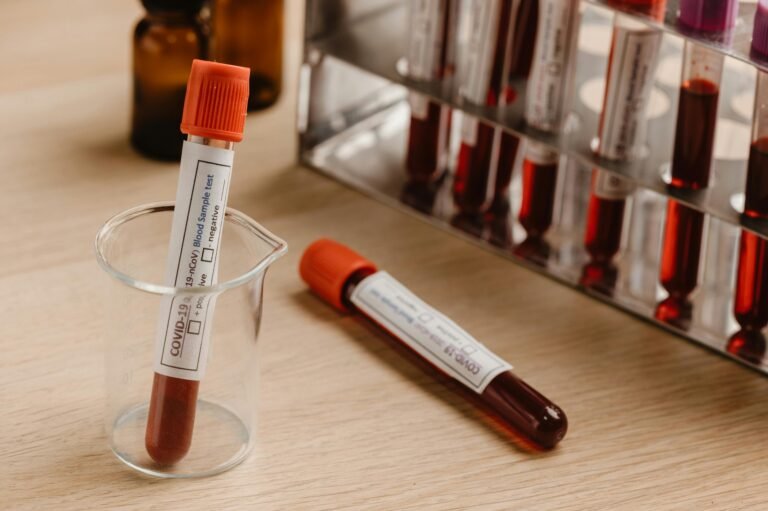
- Serum Uric Acid test (blood test)
- Kidney function tests (such as creatinine)
- Joint fluid analysis (in selected cases to confirm diagnosis)
Regular monitoring is important, especially if you have had previous gout attacks.
Can Gout Be Prevented or Controlled?
Yes. Gout is manageable with proper care and long-term planning.
Management may include:
✔ Dietary modifications
✔ Weight control
✔ Adequate hydration
✔ Limiting alcohol intake
✔ Medications when prescribed
The goal is not just to relieve pain during attacks, but to lower uric acid levels and prevent future flare-ups and joint damage.
When Should You Get Checked?
Consider getting tested if:
- You experience repeated episodes of joint pain
- You have a family history of gout
- You have diabetes, hypertension, or kidney disease
- Your diet is high in meat and alcohol
- You have previously elevated uric acid levels
Early detection and proper management help prevent complications and protect your joints long term.
If you are experiencing joint pain or want to check your uric acid levels, Care Avenue can guide you on:
- Whether you need a uric acid test
- Which laboratory tests are appropriate
- Personalized gout treatment planning
Newsletter Updates
Enter your email address below and subscribe to our newsletter