5 Silent Signs You Might Have Fatty Liver
Fatty liver disease is now one of the most common lifestyle-related conditions — especially among people with diabetes, high cholesterol, hypertension, or weight gain. In 2022, an estimated 18 million Filipinos were either suffering from or at risk of developing fatty liver disease.
Most people with fatty liver feel completely normal. It is often called the “silent epidemic” because it has no symptoms in its early stages, which is why many people are unaware that they have it. They experience no pain, no warning, and no obvious symptoms. Yet inside the liver, fat may already be quietly building up.
Here are five silent signs that may suggest you have fatty liver.
1️⃣ You Have High Cholesterol or High Triglycerides
Fatty liver and abnormal cholesterol often go together. If your triglycerides are elevated or your HDL (“good cholesterol”) is low, your liver may already be storing excess fat.
Triglycerides are the most common type of fat in the body. They store excess energy from the food we eat. The normal level is below 150 mg/dL. High triglyceride levels reflect the accumulation of excess fat in the body and may indicate that the liver is overwhelmed by processing too much fat, leading to fat buildup in the liver.
2️⃣ Your Liver Enzymes (SGPT/ALT) Are Elevated
As fat accumulates in the liver, it can lead to inflammation or liver cell injury. This is reflected in elevated liver enzymes.
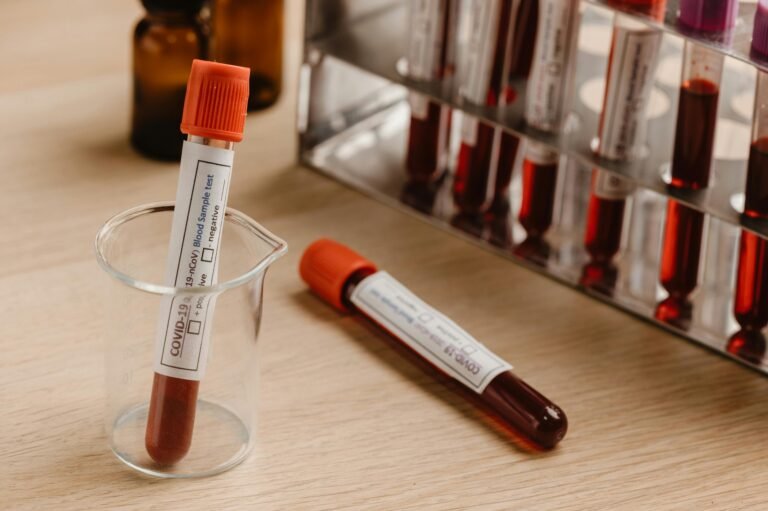
You may feel fine — but your blood test shows an elevated ALT (SGPT). ALT is more specific for liver inflammation. When it is persistently elevated, fatty liver is one of the common causes.
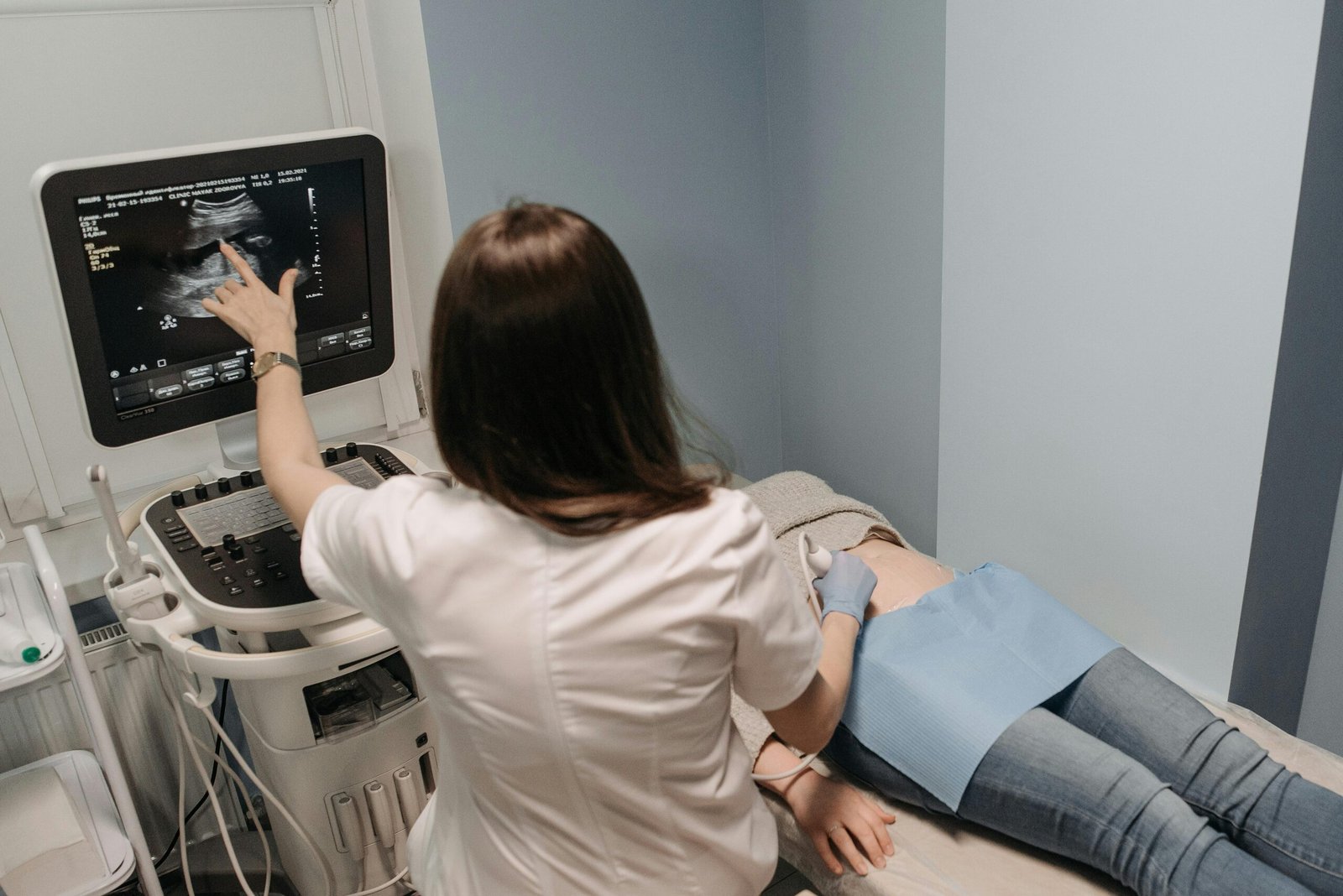
Note that some patients with fatty liver have normal liver enzyme levels. Therefore, normal results do not always rule it out. Confirmation with imaging studies, such as an abdominal ultrasound, is important.
The normal ALT level is approximately 29–33 U/L for men and 19–25 U/L for women.
3️⃣ You Have Diabetes or Prediabetes
Fatty liver is strongly linked to insulin resistance — a condition in which the cells in the muscles, fat, and liver do not respond properly to insulin. This makes it harder for the body to move blood sugar into the cells to be used as energy.
As a result, the pancreas produces more insulin. Over time, however, it cannot keep up with persistently high blood sugar levels, leading to prediabetes, type 2 diabetes mellitus, and metabolic syndrome.
If your fasting blood sugar or HbA1c is elevated, your liver is often affected even before symptoms appear.
4️⃣ You Notice Gradual Weight Gain (Especially Around the Waist)
Central obesity (increased waist circumference) is one of the strongest predictors of fatty liver.
An increased waist size indicates higher amounts of visceral fat. This is dangerous because it is “active fat” stored deep in the abdomen, wrapping around organs like the liver and intestines. It releases inflammatory chemicals, hormones, and fatty acids directly into the bloodstream.
Unlike subcutaneous fat — the soft, pinchable fat found just under the skin — visceral fat significantly increases the risk of serious health conditions, including heart disease, type 2 diabetes, stroke, high blood pressure, and certain cancers.
Because visceral fat accumulates in the abdomen, a larger waist circumference indicates a higher risk of liver fat accumulation, with cut-off values typically >89–90 cm for men and >84–85 cm for women.
5️⃣ You Feel Constant Fatigue (Without Clear Cause)
While fatty liver does not usually cause pain, some patients report unexplained low energy despite not doing strenuous activities, easy fatigability, or mild discomfort in the right upper abdomen.
These symptoms are subtle and often ignored. More obvious symptoms usually appear only when complications develop. When fatty liver is left untreated, inflammation may persist and, over time, lead to fibrosis and eventually cirrhosis — a severe form of liver disease.
Why Fatty Liver Is Dangerous — Even If You Feel Fine
Fatty liver can progress silently. It starts with fat accumulation, which can lead to inflammation, then fibrosis, then cirrhosis, and eventually liver failure.
But here’s the good news:
Early fatty liver is reversible. With proper lifestyle changes, weight control, improved blood sugar, and cholesterol management, liver fat can decrease significantly.
Who Should Get Screened?
Consider screening if you have:
- Diabetes or prediabetes
- Hypertension
- Dyslipidemia
- BMI > 23 (Asian criteria)
- Family history of metabolic disease
Basic tests may include:
- Liver enzymes (ALT, AST)
- Lipid profile
- Fasting blood sugar / HbA1c
- Liver ultrasound
Fatty liver is not just a liver problem. It is a warning sign that your metabolism is under stress. The earlier you detect it, the easier it is to reverse.
Do not wait for symptoms.
If you want to know whether your liver is healthy, start with basic laboratory screening.
Newsletter Updates
Enter your email address below and subscribe to our newsletter