Understanding Basic Laboratory Tests: Why These Tests Matter for Common Lifestyle Diseases
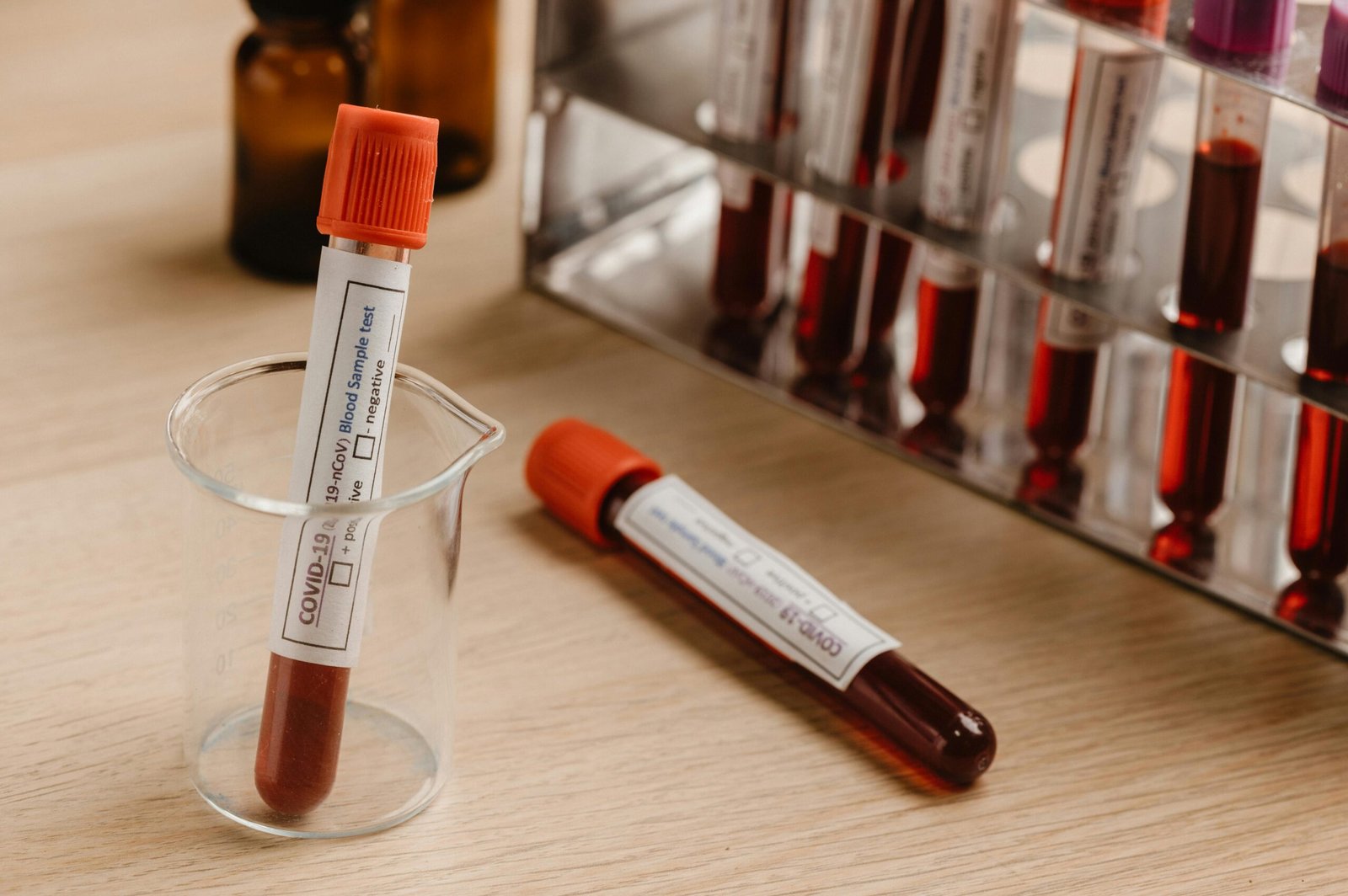
You probably wonder why doctors request multiple laboratory tests when advised for screening for common disease, while other doctors tell you that some of those tests are unnecessary for your case. And for you as a patient, you probably question this contradicting advice from your doctors. Here’s the catch, laboratory tests are designed to help come up with final diagnosis. As doctors, we always base our clinical judgement or impression based on good history and physical examination. Then we validate this impression on diagnostic test. We have a mantra that says: “do not treat the laboratory results, treat the clinical symptoms.” However, in reality, most lifestyle-related diseases develop silently. Some laboratory tests help detect early changes in your body before symptoms appear—when prevention and reversal are still possible.
This guide explains the most common basic laboratory tests, what they check, and why they are important in screening for conditions like hypertension, diabetes, dyslipidemia, fatty liver, chronic kidney disease, and hyperuricemia.
1. Fasting Blood Sugar (FBS)
What does this test measure?
Fasting Blood Sugar (FBS) measures how much sugar is in your blood after you have not eaten for at least 8 hours. When we eat, food is broken down into sugar (glucose), which the body uses as its main source of energy. Any extra sugar that is not immediately needed is stored in the liver and muscles for later use.
A few hours after eating, when no new food is coming in, the body starts using this stored sugar for energy. To keep blood sugar from getting too high, the body releases a hormone called insulin. Insulin helps move sugar from the blood into the cells and also tells the liver not to release too much stored sugar into the bloodstream.
In people with diabetes, this system does not work well. Either the body does not make enough insulin, or it cannot use insulin properly. As a result, sugar stays in the blood instead of being used for energy. This is why, even after fasting, people with diabetes may still have high blood sugar levels on their blood test.
While the Fasting Blood Sugar (FBS) test is very helpful in checking for prediabetes and diabetes, the result should not be judged on its own. Things like recent illness, stress, or certain medicines can temporarily raise blood sugar levels.
If a high FBS result comes with common diabetes symptoms, the doctor may already confirm the condition and start treatment. However, if the patient feels well and has no symptoms, the doctor may repeat the FBS test on another day or request another test, such as HbA1c, to get a clearer picture of the patient’s long-term blood sugar control.
Normal Values: <100 mg/dL (5.6 mmol/L)
Pre-diabetes Range: 100 mg/dL (5.6 mmol/L) to 125 mg/dL (6.9 mmol/L)
Diabetes Values: 126 mg/dL (7.0 mmol/L) and above
2. HbA1c (Glycosylated Hemoglobin)
What does this test measure?
HbA1c is a blood test that shows your average blood sugar level over the past 2 to 3 months. It works by measuring how much sugar has attached to your red blood cells.
When blood sugar stays high, more sugar sticks to these cells. Since red blood cells live for about 2–3 months, the test gives a long-term picture of blood sugar control—not just what it is on the day of the test.
This is why HbA1c is very useful. You do not need to fast, and the result cannot be easily changed by eating less for a few days or taking medicines only right before the test. If blood sugar has been poorly controlled over the past few months, the HbA1c result will still be high.
In some situations, the HbA1c result may appear lower than expected. This can happen if a person has low blood count (anemia), certain blood conditions, or has recently received a blood transfusion from someone with normal blood sugar.
Normal Values: <5.7%
Pre-diabetes Range: 5.7% to 6.4%
Diabetes Values: 6.5% and above
3. Lipid Profile (Cholesterol Test)
What does this test measure?
Abnormal cholesterol levels lead to fat buildup in blood vessels, increasing the risk of heart attack and stroke. By detecting early a person’s cholesterol levels, the risk of cardiovascular events can be decreased through lifestyle modifications and initiation of medications.
A lipid profile is a blood test that measures total cholesterol, LDL (“bad cholesterol”), HDL (“good cholesterol”), VLDL and Triglycerides. This usually needs 10 – 12 hours of fasting. Target levels may vary depending on age, medical history, and risk factors. The goal is to keep these numbers in a safe range to lower risk of heart attack and stroke.
Normal Values:
Total Cholesterol: <200 mg/dL
HDL: 40-80 mg/dL (males); 50-80 mg/dL (females)
LDL: <100 mg/dL
Triglycerides: <150 mg/dL
4. SGPT / ALT (Liver Enzyme Test)
What does this test measure?
SGOT (AST) and SGPT (ALT) are blood tests that help check how healthy your liver is. You can think of them as “warning signals” from the liver. When the liver is irritated, inflamed, or damaged, these substances leak into the blood, causing their levels to rise.
SGPT (ALT) is found mostly in the liver, so it is a more specific sign of liver problems. SGOT (AST) is found in the liver but also in the muscles and heart, so it can go up for other reasons too, such as muscle injury.
High levels may suggest fatty liver, liver inflammation, or liver stress — even if you feel completely fine. Fatty liver is common in people with diabetes, obesity, and high cholesterol. If fatty liver is not managed and liver enzymes remain high, there is a higher risk of serious liver damage over time, including cirrhosis (scarring of the liver).
Normal Values:
Adult Males: 29 to 33 U/L
Adult Females: 19 to 25 U/L
5. Creatinine
What does this test measure?
Creatinine is a waste product made by muscles. Kidneys remove creatinine from the blood and pass it out through urine. By measuring creatinine in blood (or sometimes urine), doctors can see how well kidneys are working.
If creatinine levels are high, it may mean the kidneys are not filtering waste properly. This can be a sign of kidney problems, dehydration, or sometimes side effects from certain medications. Doctors also use creatinine to compute the GFR (glomerular filtration rate), which shows how efficiently the kidneys clean your blood.
A small increase in creatinine can happen as we age. However, high levels should always be checked by a healthcare provider. People with diabetes or high blood pressure, especially if not well controlled, have a higher risk of developing chronic kidney disease, so regular monitoring is important.
Normal Values:
Adult Males: 0.6 to 1.2 mg/dL (53 to 106 μmol/L)
Adult Females: 0.5 to 1.1 mg/dL (44 to 97 μmol/L)
6. Uric Acid
What does this test measure?
Uric acid is a waste product formed when the body breaks down certain foods, especially those high in “purines.” Normally, uric acid is dissolved in the blood and removed by the kidneys through urine.
A blood uric acid test helps detect hyperuricemia, a condition where uric acid levels are too high. When this happens, uric acid can form crystals that collect in the joints, causing gout (sudden, painful joint swelling). It can also lead to kidney stones and, over time, kidney damage.
High uric acid levels are common among Filipinos. Diet plays a big role. Frequent intake of red meat, organ meats (like liver and intestines), seafood, alcohol, sugary drinks, and energy drinks can increase uric acid levels.
Checking uric acid early helps prevent complications such as recurrent gout attacks, joint damage, kidney stones, and chronic kidney disease. Early detection allows lifestyle changes and treatment before permanent damage occurs.
Normal Values:
Blood Uric Acid: <6 mg/dL (360 micromol/L)
7. Urinalysis
What does this test measure?
Urinalysis (urine test) is not only used to check for urinary tract infections, as many people think. It also looks for other substances in the urine, such as protein, sugar, blood, and crystals.
In healthy individuals, urine should not contain protein or sugar. Small amounts of blood may sometimes be seen, but this still needs proper evaluation. When protein or sugar is found in the urine, it can be an early warning sign of kidney damage, especially in people with diabetes or high blood pressure.
Because of this, urinalysis is a simple but very important test for detecting kidney problems early—even before symptoms appear.
How These Tests Work Together
One abnormal result does not always mean disease. Doctors interpret these tests as a group, along with your age, medical history and lifestyle factors This approach helps determine whether changes are reversible, if lifestyle modification is enough and when medication is truly needed
To help you take the first step:
✅ Get a FREE basic screening laboratory request
✅ Use it at any diagnostic center of your choice
✅ Receive professional interpretation via online consultation
Our partnered doctors will explain your results clearly and guide you on the next steps—without unnecessary fear or pressure.
What Should You Do After Your Screening?
After receiving your lab results:
- Avoid self-diagnosis
- Seek proper interpretation
- Take action early—while changes are still reversible
Screening is not about finding something wrong. It’s about staying ahead.
Take Charge of Your Health—Before Symptoms Start
Newsletter Updates
Enter your email address below and subscribe to our newsletter